Menu
Geodesic Dome

Phoenix Sid Extractor V1 3 Beta !!exclusive!! Download

Geodesic Dome Kits that are Easy to Build!

Geodesic Dome Greenhouse Kits for Sale

Phoenix Sid Extractor V1 3 Beta !!exclusive!! Download

Geodesic Chicken Coop
Geodesic Dome Kits that are Easy to Build!

Geodesic Dome Greenhouse Kits for Sale

Phoenix Sid Extractor V1 3 Beta !!exclusive!! Download

Geodesic Dome Greenhouse Kits for Sale

Phoenix Sid Extractor V1 3 Beta !!exclusive!! Download


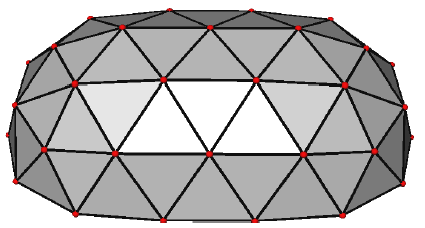
2v Tunnel Domes with 1 Extension Examples

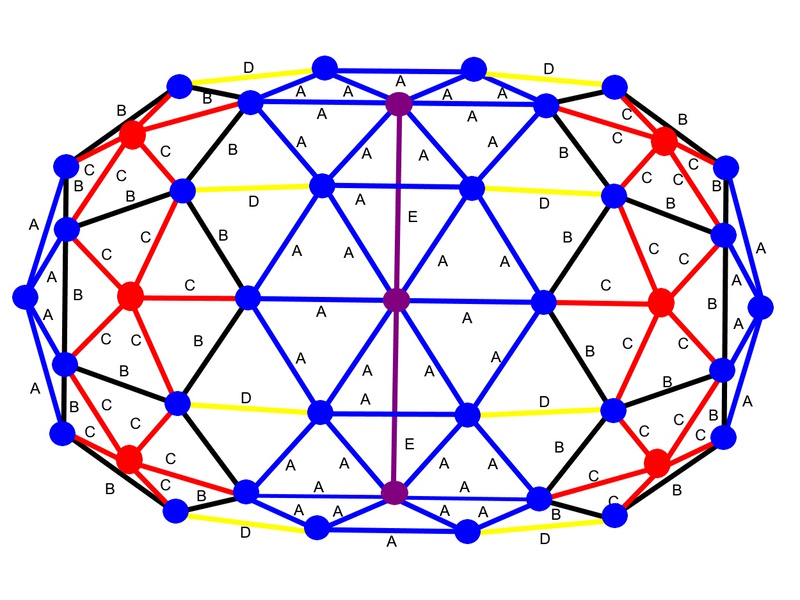
  • 2v Tunnel Dome 1 Ext. Front View
    2v Tunnel Dome 1 Ext. Front View
  • 2v Tunnel Dome 1 Ext. Top Down View
    2v Tunnel Dome 1 Ext. Top Down View
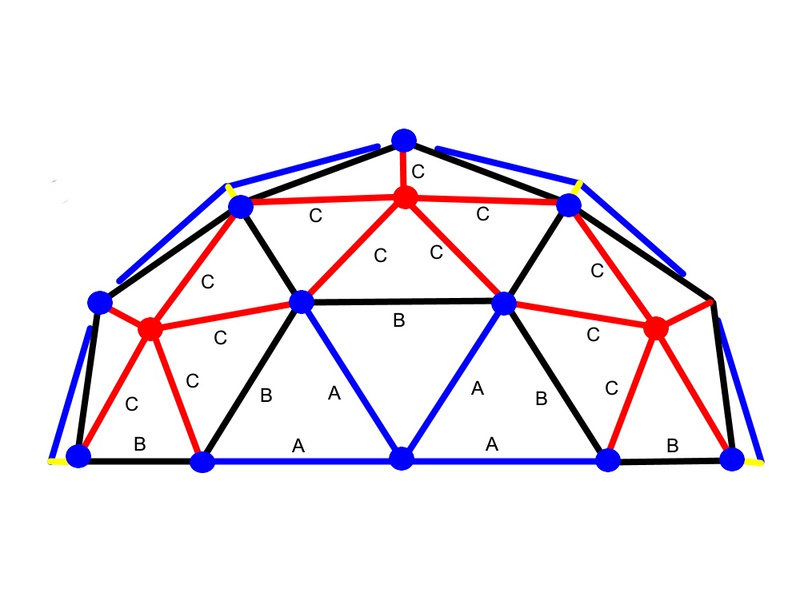
  • 2v Tunnel Dome 1 Ext. Side View
    2v Tunnel Dome 1 Ext. Side View
  • Building the 2v Tunnel Dome with 1 Extension
    Building the 2v Tunnel Dome with 1 Extension
  • Completed 2v Tunnel Dome with 1 Extension
    Completed 2v Tunnel Dome with 1 Extension

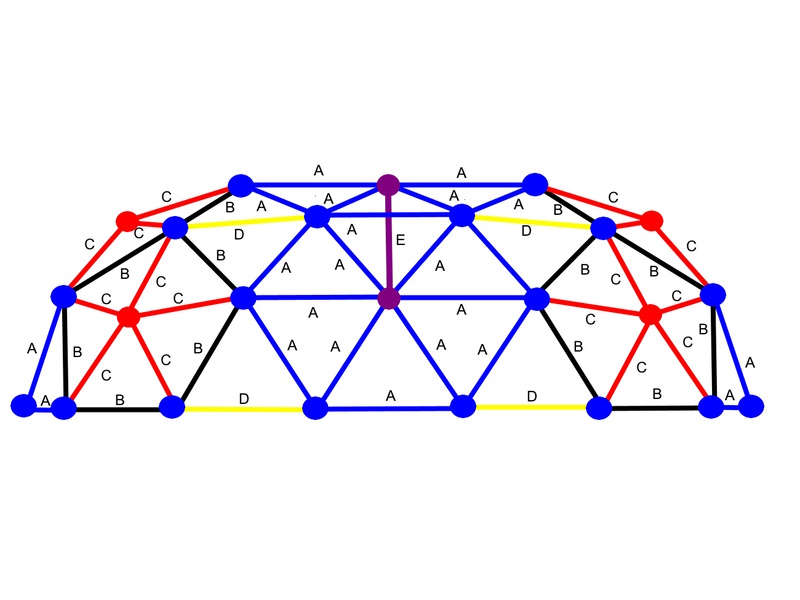
41 hubs, 106 struts.
The 2v Tunnel Dome with 1 Extension produces a larger space for a greenhouse or shed.
Listed 2v Tunnel Dome 1 Extension Sizes: 11' wide, 17' long to 20' wide, 30' long.
You can build larger or smaller 2v Tunnel Domes by adjusting the strut lengths, contact us for details.

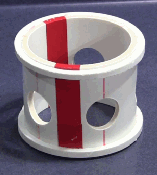
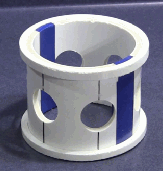
2v Tunnel Dome Dual Covering Hubs

Requires a Chop Saw to Manufacture.

Phoenix sid extractor v1 3 beta download
5-way Red Hubs
Phoenix sid extractor v1 3 beta download
6-way Blue Hubs

The Dual Covering Hubs are used for building geodesic greenhouses in cold weather environments.

  The Dual Covering Hubs allows a Greenhouse to be covered with 2 layers of plastic, one on the inside and one on the outside of the dome. This creates a "dead air space" between the two layers for plastic for better insulation.

 The Dual Covering Hubs require a chop saw to manufacture. Phoenix sid extractor v1 3 beta download

Tools Needed to Manufacture the Dual Covering Hubs: A Power Hand Drill or Drill Press, and a Chop Saw for cutting the hubs and rings.


Each 2v Tunnel Dome with 1 Extension Download Contains:

At first glance it seemed absurdly specific. The title alone suggested someone had leaned over a solder-stained workbench and built a tool to coax music from devices that spoke in obsolete code. That was the thing about small utilities—each one carried a story, a person’s stubborn answer to a single, peculiar problem. Whoever wrote Phoenix SID Extractor had been one of those people: driven by nostalgia, technical affection, and the conviction that something worth saving shouldn’t be left to rot on obsolete silicon.

He fed it a sample—a corrupt dump from an old machine room—because that’s what the program had been built for: the imperfect evidence of a living past. The extractor unspooled data with a careful patience, catching fragments of waveform metadata, repairing discontinuities where firmware glitches had torn the stream. It worked like an archaeologist brushing soil from a plate: small, deliberate actions that, in aggregate, revealed the faint outline of something beautiful.

In the end, the download was only half the story. What mattered was what people did with the files it returned: re-releases that preserved original quirks, remasters that respected timing and timbre, collections that saved not only melodies but the conditions that shaped them. The tool didn’t promise perfection. It promised fidelity to a truth many had nearly forgotten—that hardware glitches, odd timing, and cheap oscillators were part of the cultural texture. To extract a SID was to rescue a voice; to release it back into the world was to let that voice be heard, strange and human and, against the odds, very much alive.

He unpacked the utility into a folder with a name that tasted faintly of nostalgia. Running the executable produced a command-line interface, plain and utilitarian, a digital echo of the hardware era it served. There was a splintered beauty in the simplicity: parameters arranged like the controls of an analog synth, flags that told the program whether to “preserve timing,” “dump raw register traces,” or “apply interpolation.” Each option was a small choice to honor or reshape the original signal. At first glance it seemed absurdly specific

He found it on a forgotten corner of the net where filenames wore the patina of midnight forums and archived readmes. “Phoenix SID Extractor v1.3 beta” blinked from a list like an old lighthouse: promising, a little dangerous, and perfectly out of place in the sterile glow of today’s polished app stores.




Download a Complete Set of Instructions and Manufacturing License for Building a 2v Tunnel Dome with 1 Extension Using our Patented Hub Design


Phoenix sid extractor v1 3 beta download
Geodesic Tunnel Dome with 1 Extension Plans
(with Dual Covering Hubs) Price: $41.00

41 hubs, 106 struts.
Download Geodesic Tunnel Dome Plans with 1 Extension (with Dual Covering Hubs)
Price: $41.00
Phoenix sid extractor v1 3 beta download

Secure Credit Card Processing by Phoenix sid extractor v1 3 beta download Phoenix sid extractor v1 3 beta download

We cannot accept returns on digital downloads.

All digital download sales are final.

If you have any questions, you can call us at 1 (931) 858-6892. Whoever wrote Phoenix SID Extractor had been one


Phoenix Sid Extractor V1 3 Beta !!exclusive!! Download

At first glance it seemed absurdly specific. The title alone suggested someone had leaned over a solder-stained workbench and built a tool to coax music from devices that spoke in obsolete code. That was the thing about small utilities—each one carried a story, a person’s stubborn answer to a single, peculiar problem. Whoever wrote Phoenix SID Extractor had been one of those people: driven by nostalgia, technical affection, and the conviction that something worth saving shouldn’t be left to rot on obsolete silicon.

He fed it a sample—a corrupt dump from an old machine room—because that’s what the program had been built for: the imperfect evidence of a living past. The extractor unspooled data with a careful patience, catching fragments of waveform metadata, repairing discontinuities where firmware glitches had torn the stream. It worked like an archaeologist brushing soil from a plate: small, deliberate actions that, in aggregate, revealed the faint outline of something beautiful.

In the end, the download was only half the story. What mattered was what people did with the files it returned: re-releases that preserved original quirks, remasters that respected timing and timbre, collections that saved not only melodies but the conditions that shaped them. The tool didn’t promise perfection. It promised fidelity to a truth many had nearly forgotten—that hardware glitches, odd timing, and cheap oscillators were part of the cultural texture. To extract a SID was to rescue a voice; to release it back into the world was to let that voice be heard, strange and human and, against the odds, very much alive.

He unpacked the utility into a folder with a name that tasted faintly of nostalgia. Running the executable produced a command-line interface, plain and utilitarian, a digital echo of the hardware era it served. There was a splintered beauty in the simplicity: parameters arranged like the controls of an analog synth, flags that told the program whether to “preserve timing,” “dump raw register traces,” or “apply interpolation.” Each option was a small choice to honor or reshape the original signal.

He found it on a forgotten corner of the net where filenames wore the patina of midnight forums and archived readmes. “Phoenix SID Extractor v1.3 beta” blinked from a list like an old lighthouse: promising, a little dangerous, and perfectly out of place in the sterile glow of today’s polished app stores.
For telephone orders or questions, call us at .

Or, go to our Contact Us page to send us an email.