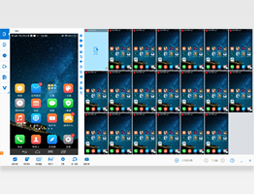
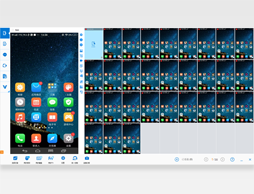
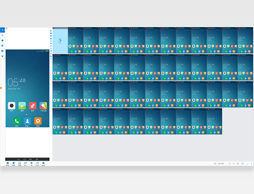
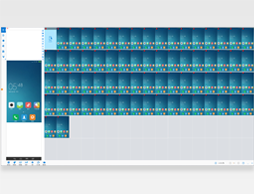
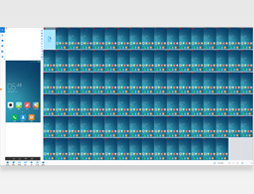
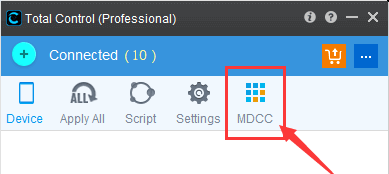
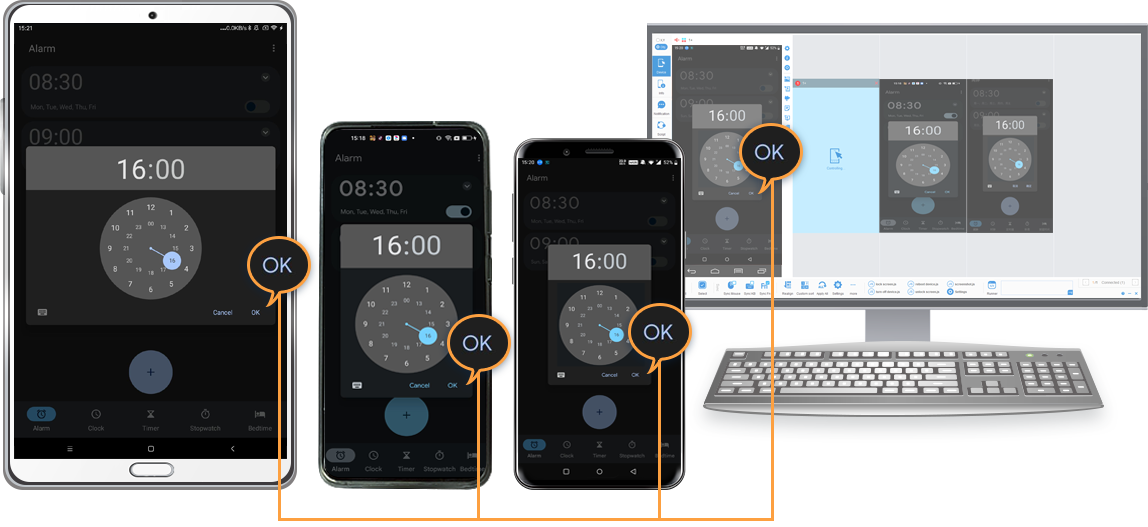
Control One = Control All
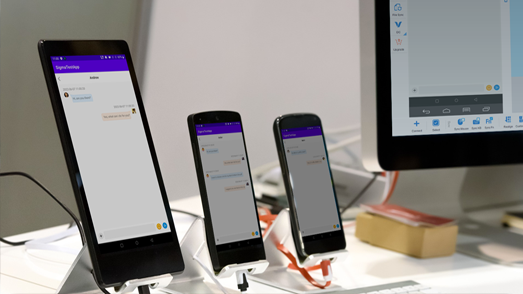
Object mode in one-to-many synchronization, send query of the node (or UI object) to all devices instead of coordination, click "OK" can run on all devices with different resolutions than click(100,100).
AAI Script (AAIS) is very small script built on top of AAI's FindNode, it has a very simple syntax and with a dozen of commands, it is useful to write simple tests or throw away scripts.
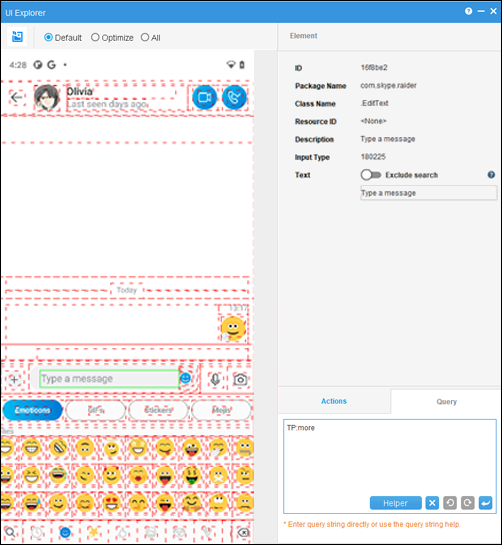
UI Explorer to obtain node information and helper program to construct query, great to learn query language learning.
Now, for the teaser of 76.1, the user outlined three points: the artifact's revelation, new threats, and character dynamics. I can elaborate by imagining specific scenarios—maybe the artifact is a key to an ancient library with forbidden knowledge. The new threats could involve a rival guild or a corrupted alchemist, creating higher stakes. Character dynamics might involve relationships shifting, like tension between two characters or a new alliance. I should also consider if there are any hints from earlier chapters that could be resolved here, like a character's hidden agenda.
Let me structure each section with clear headings, maybe using bold for the headings. Ensure the flow from introduction to highlights to teaser is smooth. Use examples like "In 75.1, we see..." and "Teasing 76.1, the artifact becomes central to..." to maintain clarity. Check for grammar and readability, maybe using lists for the highlights and teasers as in the example. Keep the tone enthusiastic but not overly hyperbolic. Alright, I think that's a solid approach. Time to put it all together in an engaging way.
Journey into the arcane world of alchemy and intrigue! Chapter 75.1 marks another thrilling addition to the tale of Ema, the reluctant "pharmacist" navigating a treacherous realm of magic, politics, and self-discovery. As the narrative unfolds, each chapter meticulously builds suspense, weaving together threads of ancient secrets and modern conflict. With Chapter 75.1 , the story escalates into a new phase, setting the stage for what promises to be a pivotal arc in the series.
I need to make sure the write-up is engaging, so maybe start with a hook about the artifact's power. Use vivid language to describe the action and character emotions. Avoid spoilering major plot points, but give enough to intrigue the readers. Also, check for any consistency with the existing story, so if there's a known character, the new elements should align with their established traits.
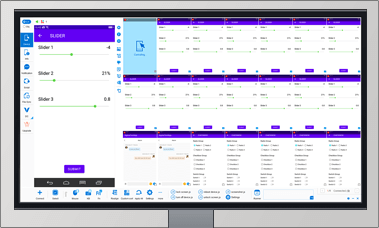
Select Obj mode to easily sync Android devices with dfferent screen resolutions and brands (resolution independent).
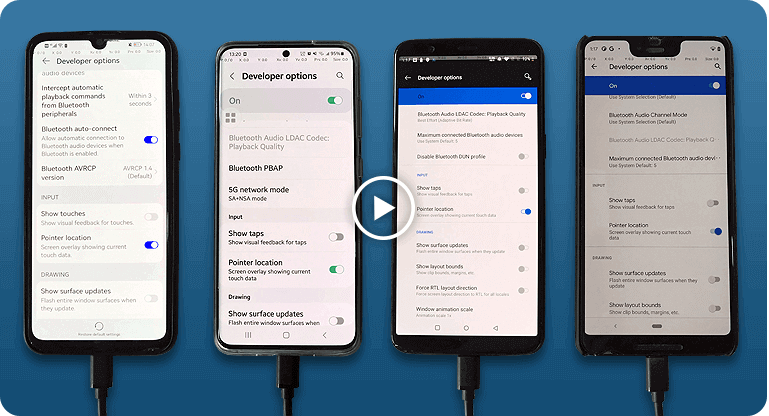
Example: Sync buttons in different locations.
Support FindNode, REST API & JavaScript API
Integrate object-based action to existing API & seamless integration with FindNode.

device.sendAai({query:"T:Android version&&OY:1", action: "getText"})devices.sendAai({ actions:["scrollIntoView('T:Pointer location||OX:1','down')","click"]})http://localhost:8090/TotalControl/v2/devices/ids/aai/sendaai?
{
"token": "270eq7lXQK8bXYsJ",
"state": "active",
"ids": ["device@795844152","device@795812215"],
"query":"T:Pointer location||OX:1",
"postAction":"click",
"preAction":"scrollToView"
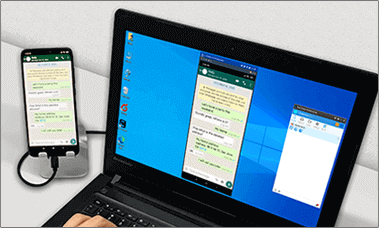
}Total Control allows users to control Android devices from a PC with low latency and high stability. It supports controlling multiple Android devices simultaneously, making it ideal for Android testing, automation, demonstrations, and device farm environments.
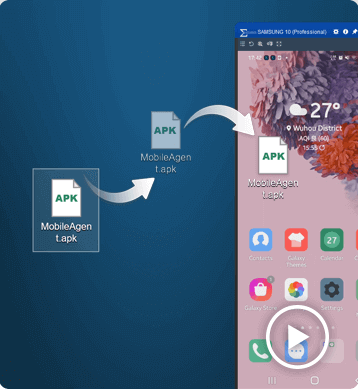
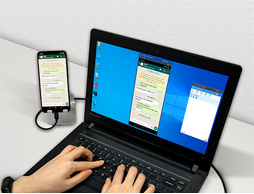
Controlling Android devices from a PC is essential for developers, testers, and businesses that need to operate multiple devices efficiently. With Total Control, users can mirror and control Android devices directly from a Windows computer using a keyboard and mouse.
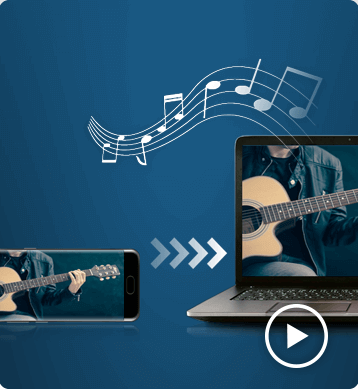
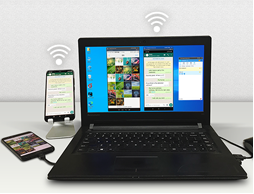
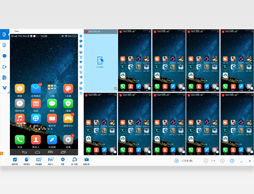
The software supports multi-device synchronization, allowing users to control multiple Android devices simultaneously from a single PC. This makes it ideal for Android automation, device testing, demonstrations, and large-scale device environments such as Android device farms.
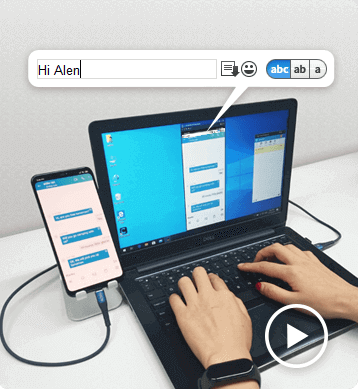
Compared with traditional screen mirroring tools, Total Control focuses on low latency, stability, and large-scale device control. Users can easily deploy dozens of devices, synchronize actions, and automate repetitive operations using scripts and APIs.
Now, for the teaser of 76.1, the user outlined three points: the artifact's revelation, new threats, and character dynamics. I can elaborate by imagining specific scenarios—maybe the artifact is a key to an ancient library with forbidden knowledge. The new threats could involve a rival guild or a corrupted alchemist, creating higher stakes. Character dynamics might involve relationships shifting, like tension between two characters or a new alliance. I should also consider if there are any hints from earlier chapters that could be resolved here, like a character's hidden agenda.
Let me structure each section with clear headings, maybe using bold for the headings. Ensure the flow from introduction to highlights to teaser is smooth. Use examples like "In 75.1, we see..." and "Teasing 76.1, the artifact becomes central to..." to maintain clarity. Check for grammar and readability, maybe using lists for the highlights and teasers as in the example. Keep the tone enthusiastic but not overly hyperbolic. Alright, I think that's a solid approach. Time to put it all together in an engaging way.
Journey into the arcane world of alchemy and intrigue! Chapter 75.1 marks another thrilling addition to the tale of Ema, the reluctant "pharmacist" navigating a treacherous realm of magic, politics, and self-discovery. As the narrative unfolds, each chapter meticulously builds suspense, weaving together threads of ancient secrets and modern conflict. With Chapter 75.1 , the story escalates into a new phase, setting the stage for what promises to be a pivotal arc in the series.
I need to make sure the write-up is engaging, so maybe start with a hook about the artifact's power. Use vivid language to describe the action and character emotions. Avoid spoilering major plot points, but give enough to intrigue the readers. Also, check for any consistency with the existing story, so if there's a known character, the new elements should align with their established traits.
Controlling Android from a PC is simple with Total Control.
After installing the software on your computer, connect your Android device via USB and enable USB debugging.
Once connected, you can view and control your Android screen directly from your PC using a keyboard and mouse.
The Lite version supports 1–2 devices and is free for non-commercial use.
To control multiple Android devices simultaneously, upgrade to the Professional version for advanced features and large-scale device management.
Total Control supports Windows 7 to Windows 11 (32-bit and 64-bit).
It is compatible with Android 6.x to Android 16 devices from all major brands and manufacturers.
Yes. Total Control allows you to control Android devices from a PC without rooting the device. Simply enable USB debugging and connect via USB to start controlling the device securely.
Yes. The Professional version supports controlling multiple Android devices simultaneously, making it ideal for developers, testers, and enterprise device management.
The best way is to use a professional Android control tool that provides low latency, stable connections, and full keyboard and mouse support. Total Control is designed for commercial and multi-device environments.
Yes. When using a secure local USB connection, data transmission remains stable and protected. Total Control is built for enterprise-level reliability and security.